
BURN IN CHAMBER
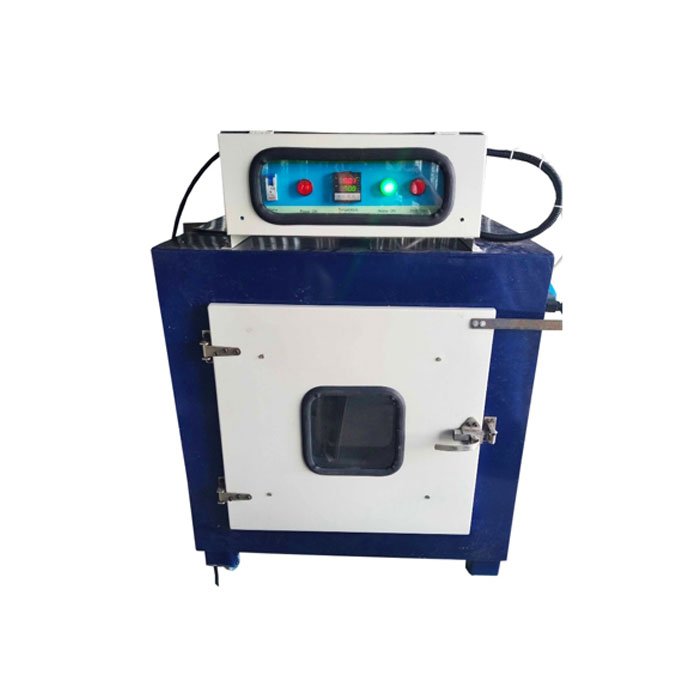

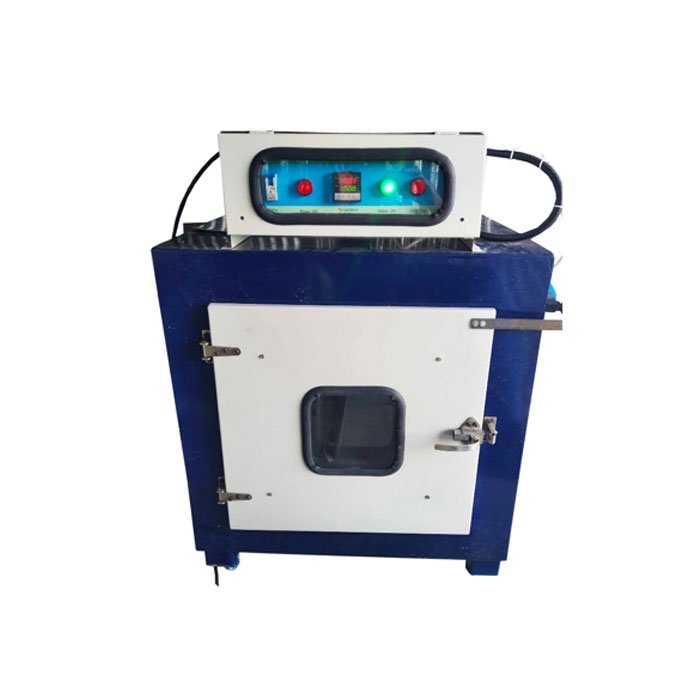
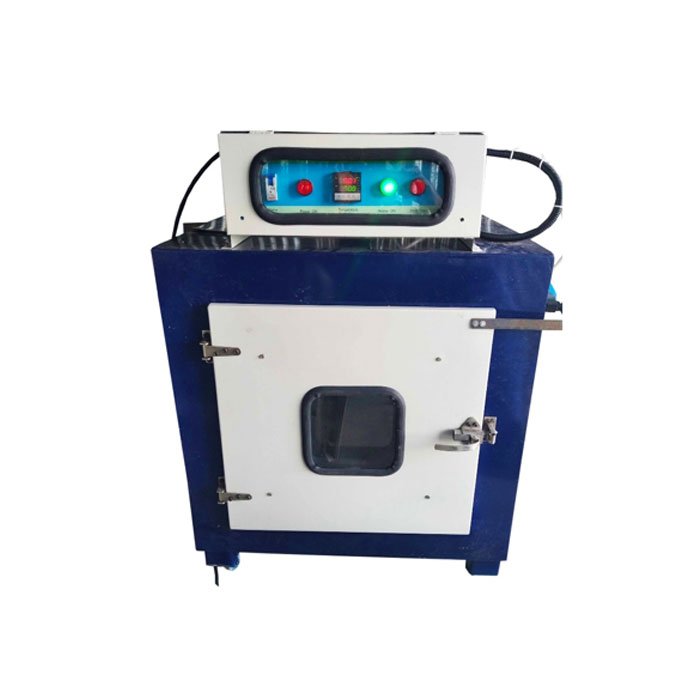

Burn-in Chamber
Burn in Chamber can be used to create conditions in which manufacturers can test the durability of their materials or products. This process is called burn-in testing. This process entails burning electronic devices,ICs, Components or sub assemblies circuits at elevated temperatures to stress the device and force early failures.
This result is called “infant mortality”, and serves to improve the product reliability and test the point of failure before the finished product is in use.
- Salient Features:
- Temperature Range: Typically operates from room temperature to 125°C or featuring rapid thermal cycling between hot and cold zones.
- Uniformity: Uses forced convection to ensure uniform heat distribution across the components.
- Capacity: Ranges from tablettop models to large walk-in rooms.
- Control Systems: Microprocessor-based PID controllers, and optional HMI+PLC, Datalogging systems for monitoring and managing the test environment.
- Safety Features: Over-temperature protection, emergency stops, and door interlocks.
- Applications:
- Electronics & Semiconductors: Testing microprocessors, RAM, ROM.
- Automotive: Reliability testing of automotive electronics and components.
- General Industry: Burn-in and stress testing of PCBs and power supplies.
Common Specifications:
- Material: Internal stainless steel or mild steel.
- Airflow: Horizontal or vertical airflow patterns, often designed for maximum efficiency.
- Data Monitoring: Often includes data logging in excel format
Do contact us for your requirement of Burn in chamber , enabling us to submit a price quote.